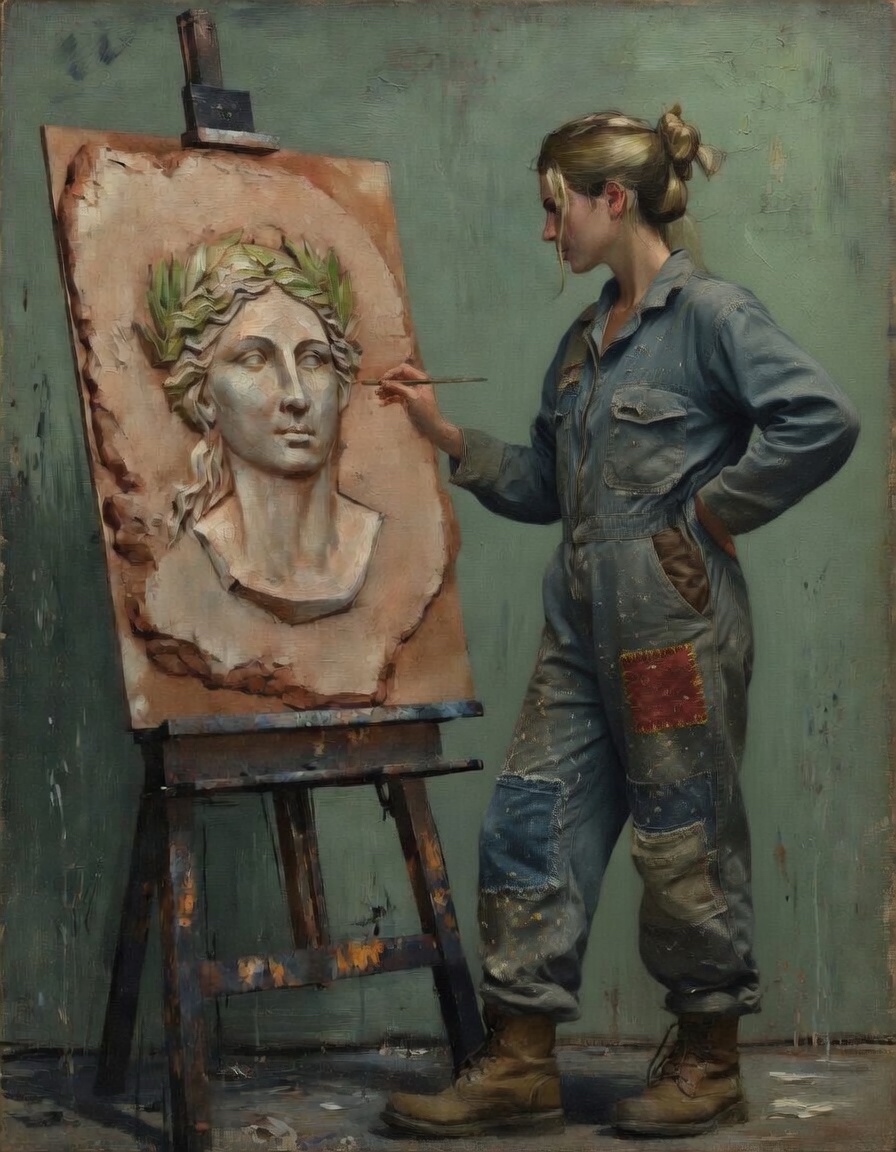
After Mars is a narrative RPG set in Jazin — a small Martian town that has outlived more than one future. It is not a shiny colony of domes and heroic engineers. It is a lived-in place of shrinking safe zones, old institutions, stubborn local politics, and machinery that never stopped meaning too much.
You play as Knorbin Wel, a junior Commissioner sent back home from the capital to review three local cases. Officially, your role is modest: gather testimony, inspect claims, file reports. In practice, every document opens onto something larger.
The game is built around documents, disputes, and admissibility. Tasks are case files. Evidence comes from conversations, records, samples, photographs, and things people would rather not sign. There is no combat. The drama lives in what can be proven, what can be filed, and what kind of truth is allowed to become official.
After Mars is inspired by literary fiction, political melancholy, and narrative games that trust the player to read, infer, and choose. It is quieter than most science fiction, stranger than most social realism, and built around one question: what remains after history — and who gets to write it down?


Mars was never finished. It was settled, exploited, reorganized, abandoned, romanticized, and rebuilt in pieces. Air cores made open settlements possible in the right places, so towns grew not under perfect domes, but inside fragile pockets of held atmosphere, industry, and routine. Jazin began as one of those places — JZ-1, a technical outpost built for extraction, fuel, and transport.
What followed was not one clear age, but several. Corporations came first. Then unions. Then patronage from Earth. Then revolution. Then a distant state in Great Olympus promising a greener Mars than the one people actually inherited. Each era left machinery, language, rituals, and institutions behind. Jazin kept more of them than most towns.
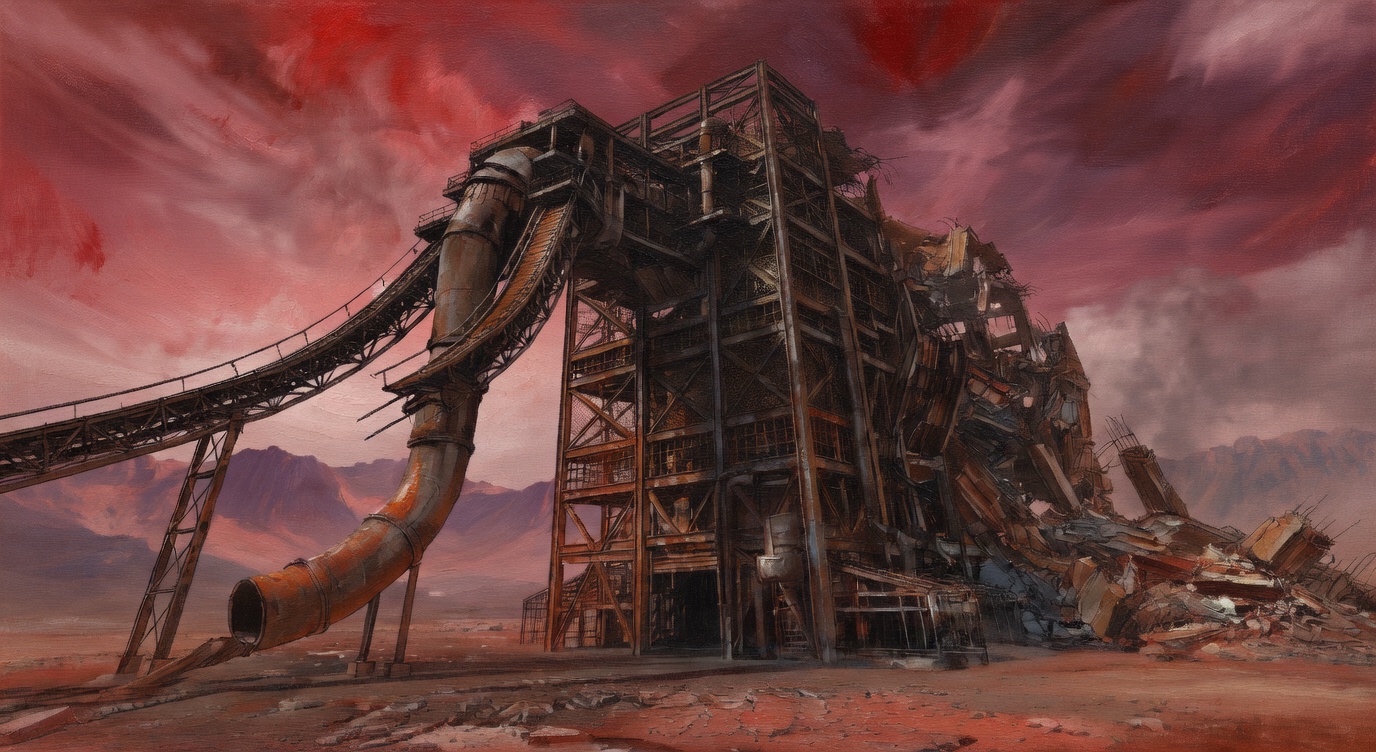
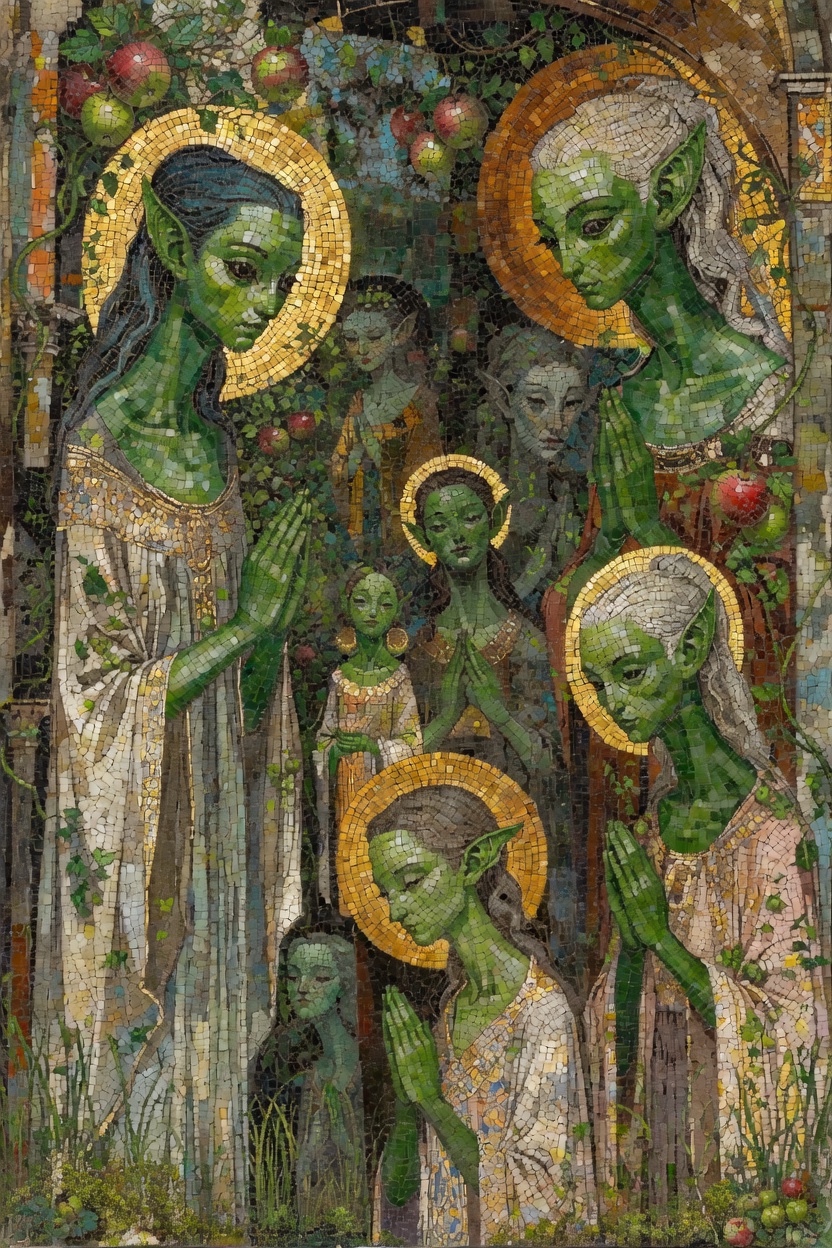
That is why the place feels layered rather than futuristic. The Works want to build again. The Public Bureau still believes in plans, systems, and eventual reconnection. The Wardens keep revolutionary memory alive, sometimes at the cost of the future. And the Green Mothers turn failure into doctrine, guilt, and spectacle. Above all of them looms the Mammoth, a massive fuel installation — burned, disputed, impossible to ignore.
Jazin is not the center of Mars. But it is still a place where old decisions never fully ended, and where even a routine report can tilt the balance of what comes next.
Knorbin Wel returns to Jazin as a Junior Commissioner from Olympus, arriving by long-distance vacuum dirigible with CAR-TER, his assigned field terminal.
He is not sent to solve a murder, uncover a grand secret, or save the town. He is sent to do something far more ordinary: review three local cases, file three reports, and leave.
Public transport is failing at the edge of the shrinking safe zone. The giant burned Mammoth is once again the center of a political fight. Citizens claim that breathing feels wrong, while official readings insist the air is good.
The deeper Knorbin goes into these cases, the less they stay separate. Every answer produces another document. Every document changes what can be said aloud.
You came to file reports. Instead, you step into a town arguing with its own future.
After Mars is in early development. This is the best moment to follow along, share the project, and help shape the community around it.